Italia Remastered — Vol. 003

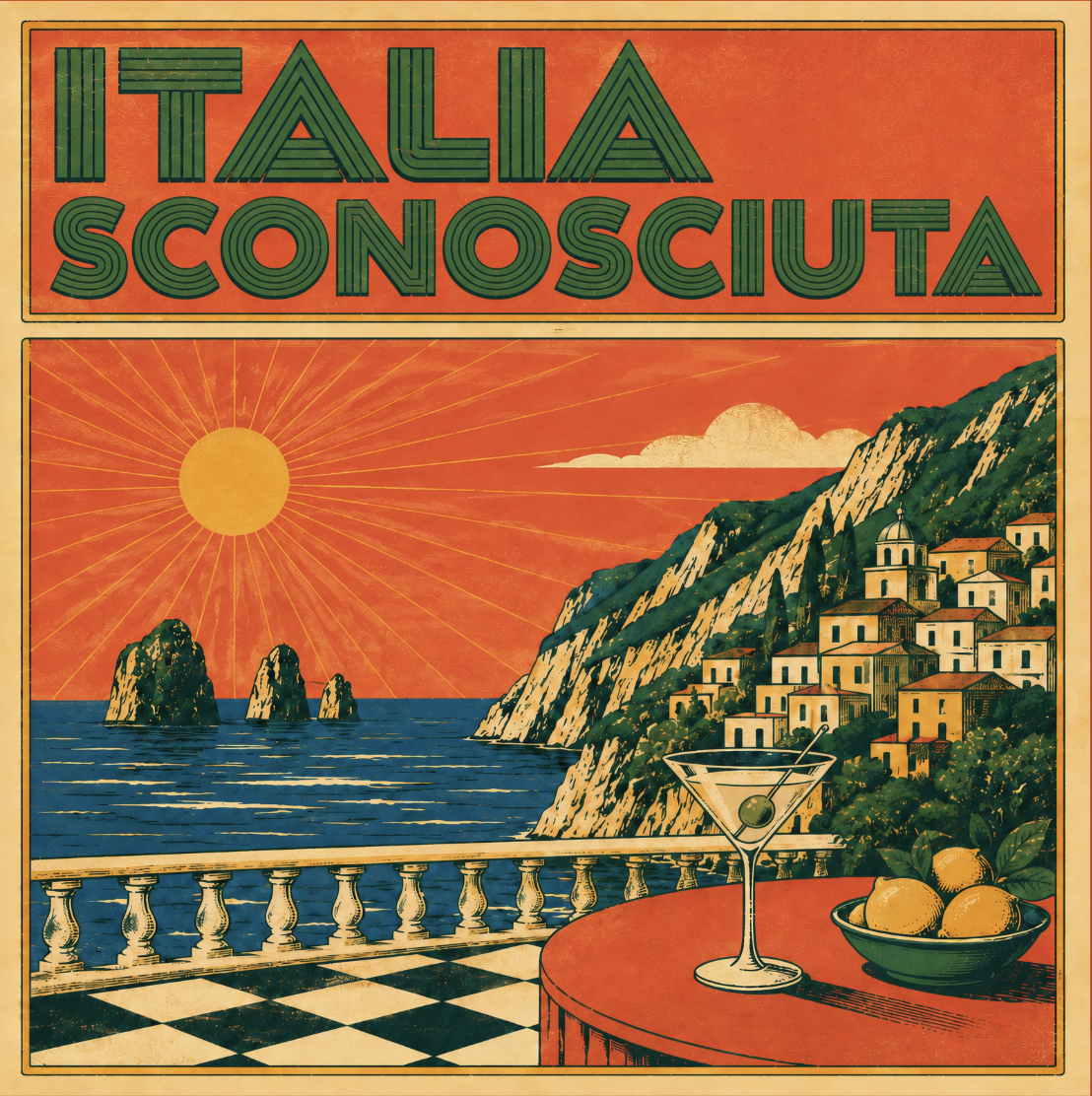
Italia Sconosciuta

A Journey Through the Golden Age of Italian Music

Welcome to the hidden heart of Italia Sconosciuta. Side A is all about playfulness and fun, while Side B is pure romance and love.

Italy has long possessed a unique ability to transform everyday life into melody. During the 1950s and 1960s, as the country emerged from the hardships of war, a remarkable musical renaissance unfolded — elegant orchestral ballads, infectious cha-cha rhythms, Neapolitan classics and the first echoes of jazz and swing.

This record celebrates that extraordinary period through ten carefully selected recordings from the Carlo Alberto Rossi Archive — a glimpse into an era when Italian popular music began captivating audiences far beyond its borders, while remaining unmistakably rooted in its own cultural identity.

Presented by onestop music in collaboration with the Carlo Alberto Rossi Archive and Lord Music, this limited edition brings together original recordings performed by some of Italy's most celebrated voices.

At the heart of this collection stands Carlo Alberto Rossi — composer, publisher, producer and one of the architects of modern Italian popular music. His work helped define the sound of post-war Italy, bridging traditional songwriting with international influences while discovering and nurturing generations of extraordinary artists.

More than sixty years later, these recordings continue to preserve the elegance, craftsmanship and unmistakable spirit of Italy’s musical golden age. The story of this vinyl begins not only with the artists and songs, but with the labels and publishers that helped bring them into the world — and now preserve them for a new generation.

The Archive Behind The Record

Seven catalogues. Ten songs.
One living legacy.

The ten recordings pressed on this vinyl are a curated entry point into the much wider Carlo Alberto Rossi Archive — the umbrella organisation that owns and stewards the catalogues of seven historic Italian record labels and music publishers. The record is centred on the Archive’s 1950s and 1960s repertoire, while the later catalogues reveal how that musical story continued to evolve through beat, progressive rock, disco, television and cabaret.

  • C. A. Rossi Editore

    Founded in 1951, C. A. Rossi Editore is the publishing thread running through the record. The catalogue is represented here by Carlo Alberto Rossi compositions including E Se Domani, Mister Jazz, Vecchia Europa, Quando vien la sera and Le Mille Bolle Blu—songs that pair memorable melody with jazz-influenced harmony and orchestral sophistication.

  • CAR Juke Box

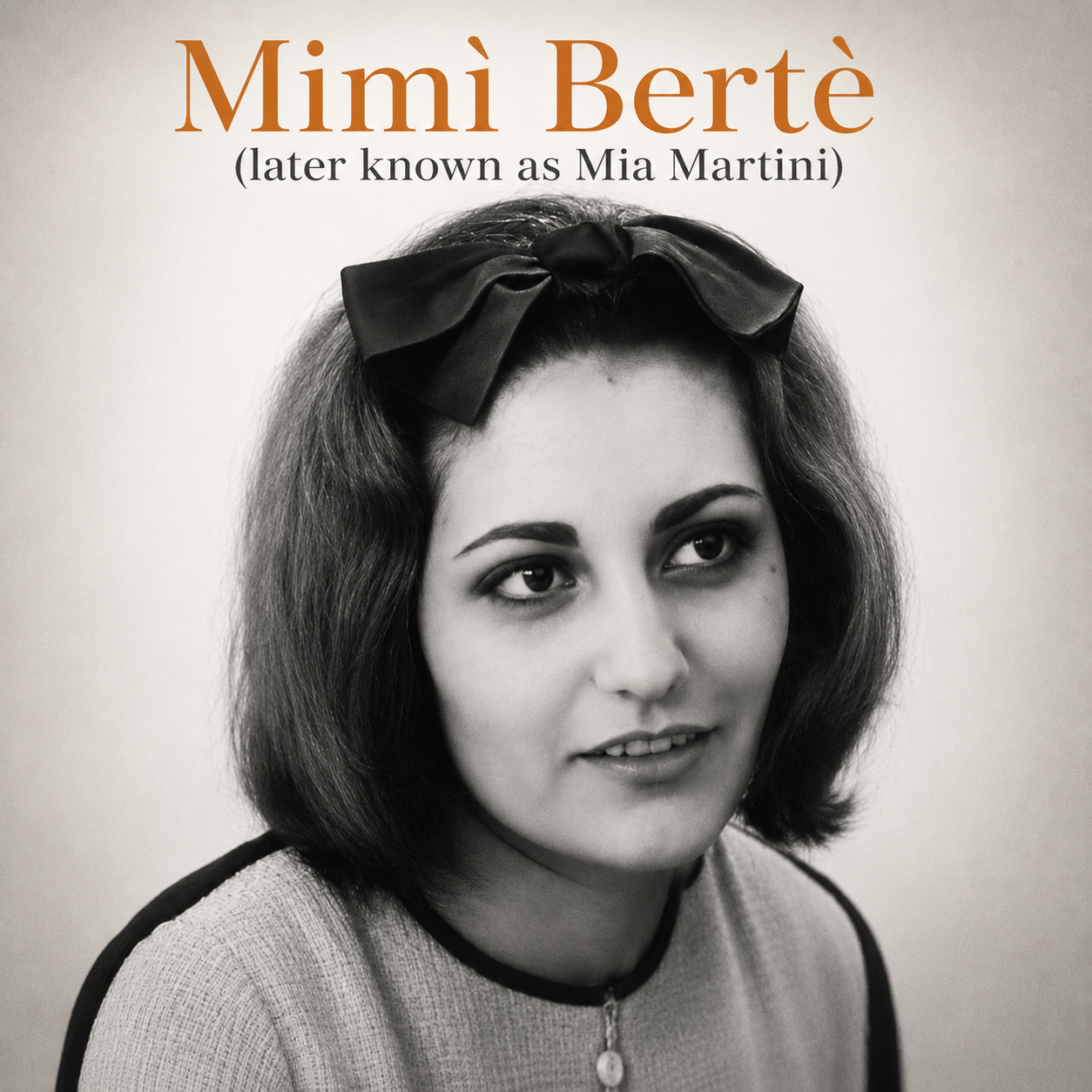
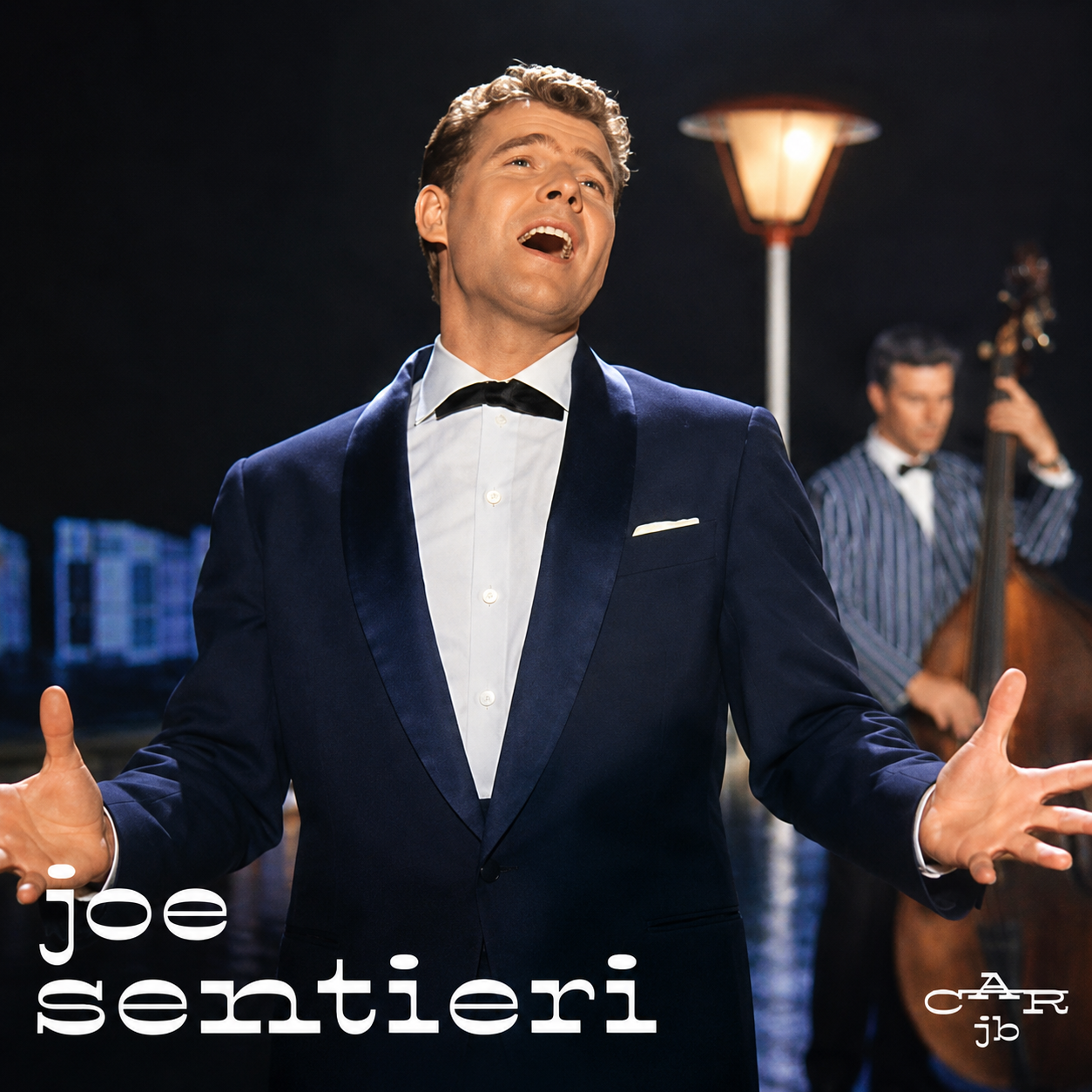
    Founded by Carlo Alberto Rossi in Milan in 1958, CAR Juke Box became one of Italy's most eclectic independent labels. Its presence on this vinyl can be heard through Joe Sentieri, Jenny Luna, Mara del Rio and the young Mimì Bertè: artists whose recordings move from romantic pop and Latin-infused dance music to the emerging energy of Italian beat.

  • Vis Radio

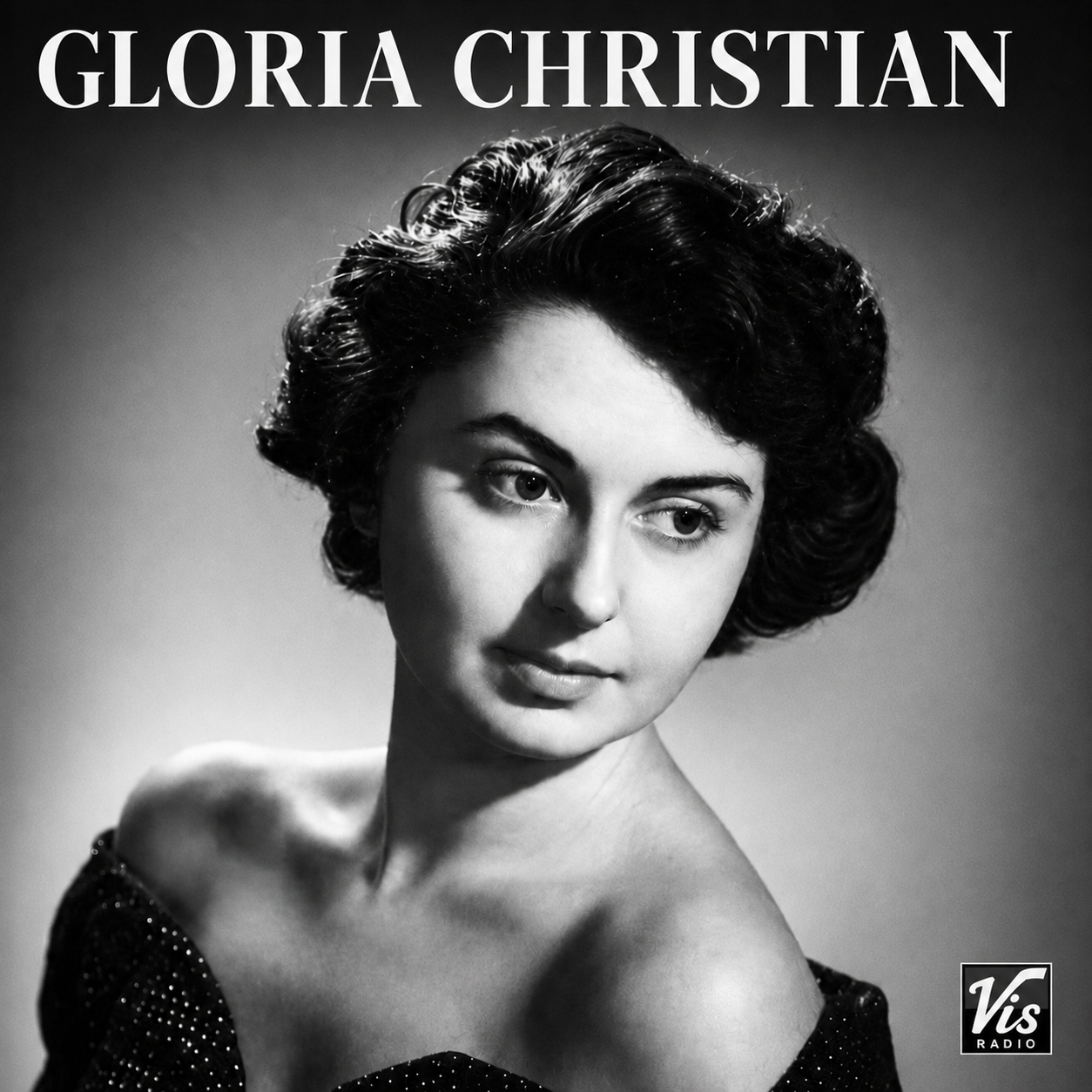
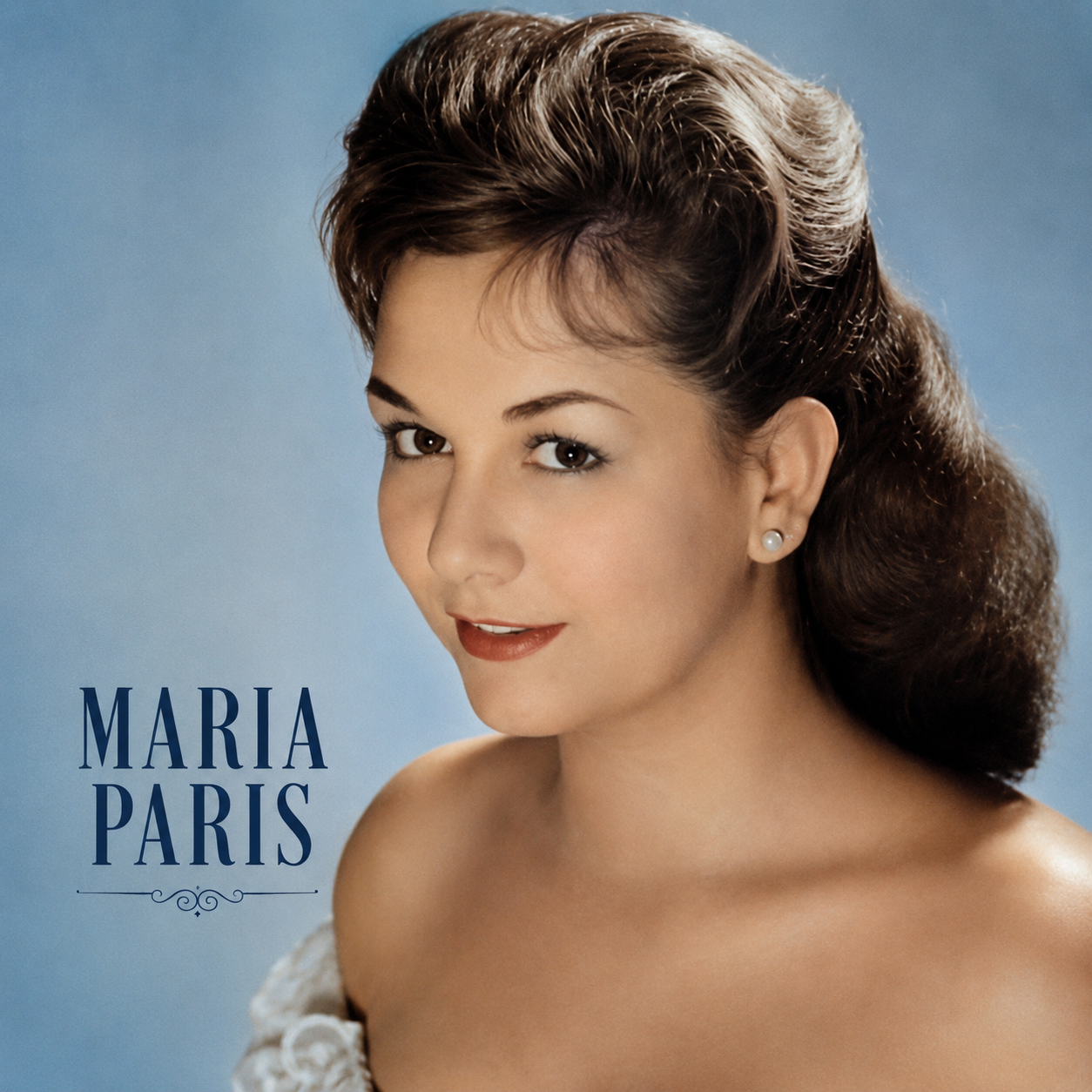
    Established in Naples in 1948, Vis Radio anchors the record's Neapolitan and classic vocal side. Gloria Christian's Scommetto su di te and Maria Paris's Viene, viene ammore bring that lineage into the tracklist, combining expressive voices with the elegant orchestration of post-war Italian popular music.

  • Everest

    Edizioni Musicali Everest is a historic Neapolitan publishing catalogue rooted in the 1950s and 1960s. It helps frame the publishing tradition heard in Portame 'nzieme a te, while its wider repertoire embraces classic Neapolitan songs, Italian popular music, dance pieces and instrumental compositions.

  • Polaris

    This vinyl stops just before the Polaris timeline begins, but the wider Archive does not. Founded in Milan in 1970 by Bruno Pallesi, Polaris carries the story into a new decade through melodic pop, progressive rock, television and dance music, with artists including I Teoremi, Wilma De Angelis, Tony Del Monaco, the Romans and El Pasador.

  • New Polaris

    Renamed New Polaris in 1977, the label takes the Archive's chronology onward into the late 1970s and early 1980s. Its catalogue captures the period's crossover between pop, disco, television and comedy, featuring El Pasador, La Smorfia—Massimo Troisi, Lello Arena and Enzo De Caro—and Gigi e Andrea.

  • Lord Music

    Established in Milan as Lord Records by Franco De Paolis and Mara del Rio, and active as a label from 1960 to 1966, Lord Music intersects with this vinyl through the career of Mara del Rio. Its wider story represents the energy of early-1960s popular and festival music, while its later publishing activity helped preserve a broader historic repertoire.

This vinyl is therefore both a self-contained listening journey and a doorway into a much larger archive. The notes that follow move from the catalogues to the grooves, focusing on the ten individual recordings, the voices that defined them and the stories that allowed them to endure.

E Se Domani

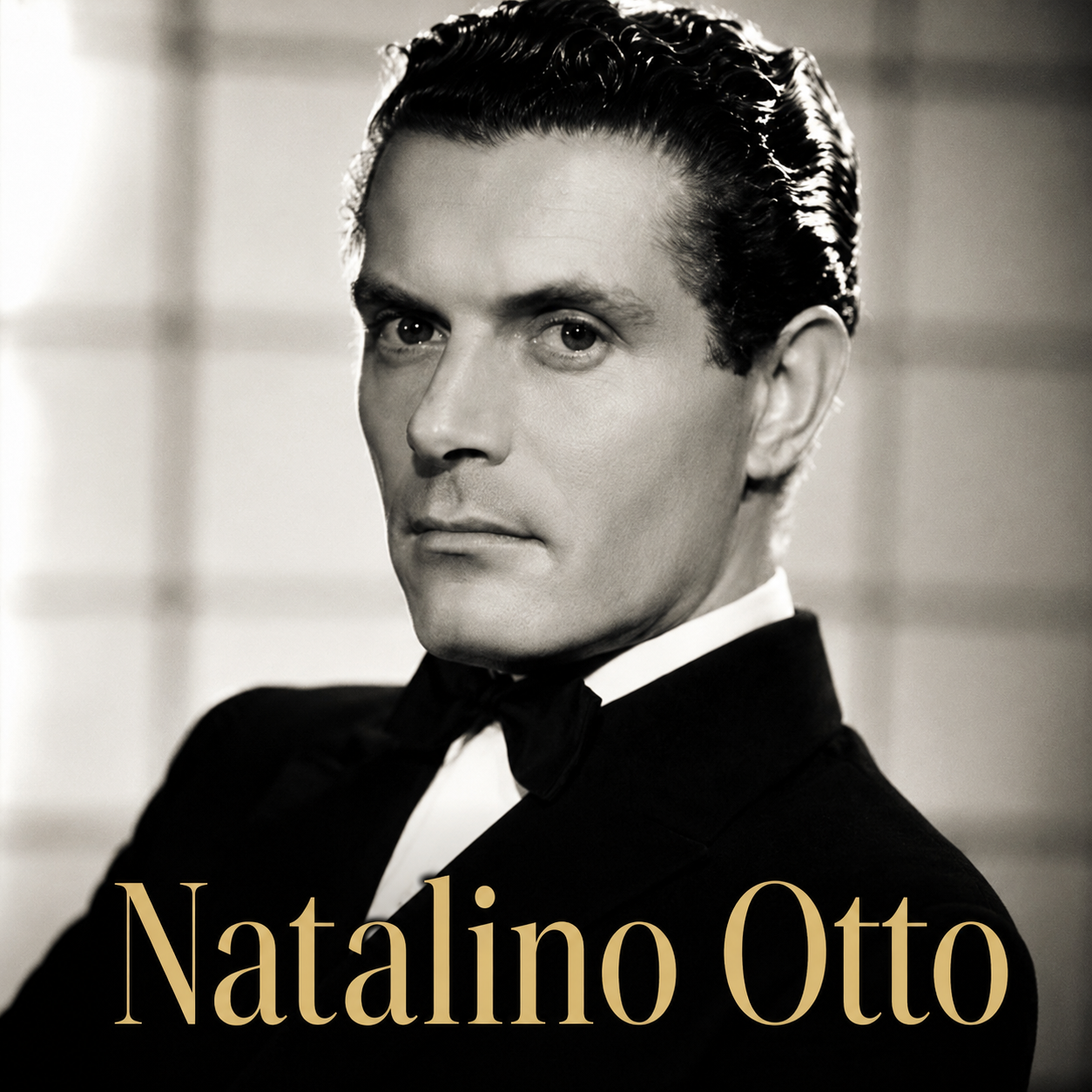
Natalino Otto • 1964

First presented at the 1964 Sanremo Music Festival, E Se Domani unexpectedly failed to reach the final. It soon found new life through Mina’s iconic interpretation and is now regarded as one of Carlo Alberto Rossi’s greatest compositions.

Natalino Otto’s recording reveals the song in its original form, highlighting Rossi’s sophisticated harmonic writing and understated emotional style. A pioneer of Italian swing, Otto helped introduce American jazz influences to Italy.

Poquitito

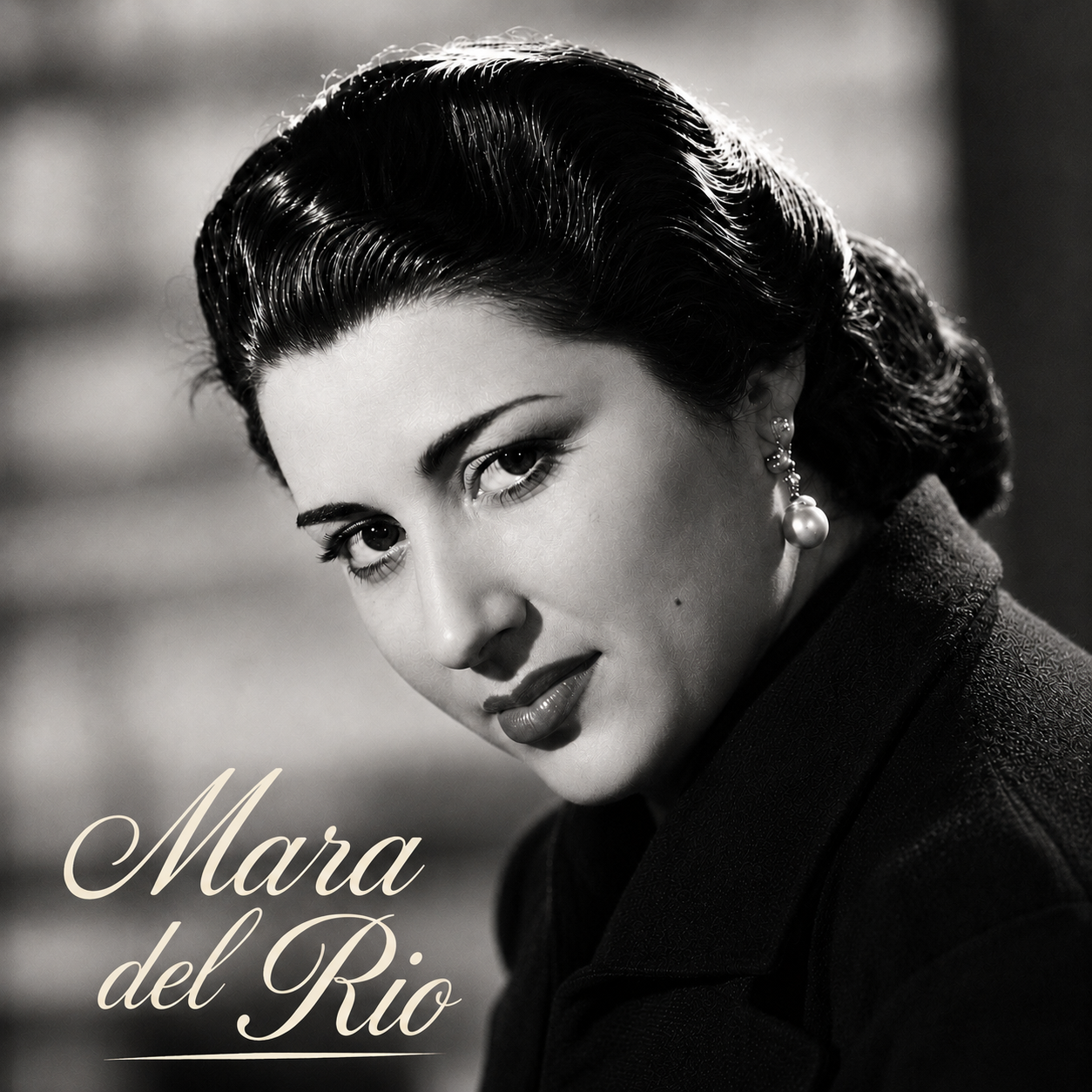
Mara del Rio • 1963

A Latin-flavoured single from the CAR Juke Box catalogue, Poquitito captures the playful side of early-1960s Italian popular music.

Mara del Rio’s phrasing rides the rhythm with an easy charm that made her one of the label’s defining voices.

Se mi gira l'elica

Mimì Bertè • 1964

Recorded when Mimì Bertè was only seventeen, this song documents the earliest chapter of a remarkable career before she became internationally celebrated as Mia Martini.

Discovered by Carlo Alberto Rossi, it captures the youthful energy of Italy’s emerging beat-pop movement while preserving the authentic sound of Milan’s legendary Fonorama Studios.

Mister Jazz

Mister Jazz

Natalino Otto • 1956

Written by Carlo Alberto Rossi in 1956, Mister Jazz stands as one of the defining statements of Italian swing. Inspired by the Great American Songbook, the composition celebrated a new musical language that was beginning to reshape post-war Italian popular music.

Natalino Otto’s elegant interpretation reflects the sophisticated orchestration and unmistakable jazz influence that made him one of Italy’s most distinctive performers.

Scommetto su di te

Gloria Christian

With its graceful orchestration and warm, expressive melody, Scommetto su di te is a heartfelt declaration of unwavering love and devotion.

One of the defining female voices of Italian popular music, Gloria Christian became known for combining emotional warmth with effortless elegance, helping shape the refined sound of Italian music throughout the 1960s.

Viene, Viene ammore

Maria Paris • 1961

First performed on the landmark television programme Canzonissima, Viene, viene ammore reflects Italy’s fascination with Latin dance rhythms during the early 1960s.

Maria Paris combines Neapolitan warmth with elegant vocal phrasing, while clarinet, strings and lively cha-cha rhythms create an unmistakably authentic sound. A two-time winner of the Festival di Napoli, she remains one of the defining voices of post-war Italian popular music.

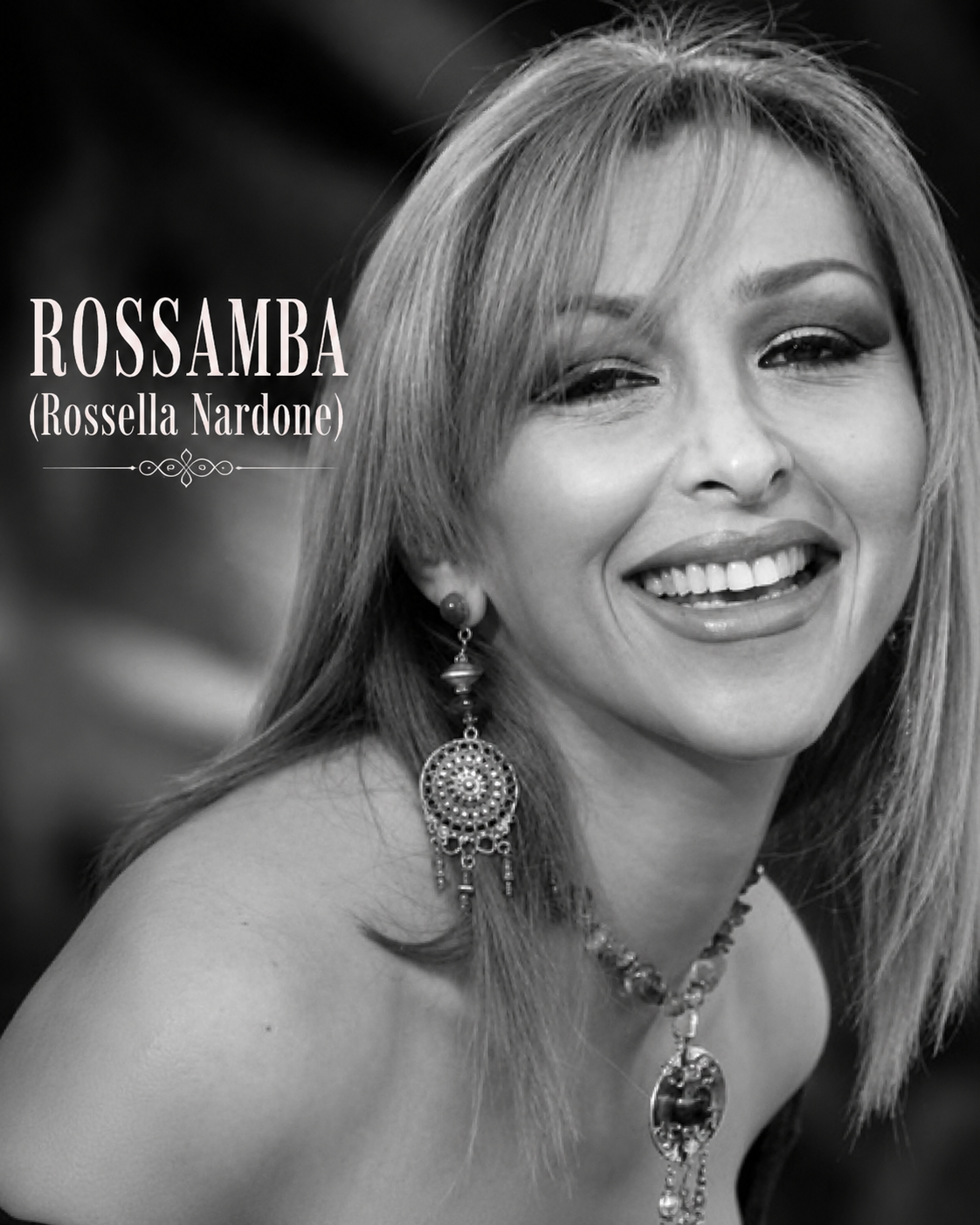
Portame 'nzieme a te

Rossamba • 1957

A timeless Neapolitan love song built around unconditional devotion, Portame ‘nzieme a te has endured through generations of performers since its composition in 1957.

Rossamba’s intimate interpretation allows the gentle melody and expressive phrasing to convey the quiet sincerity at the heart of the composition, while Carlo Alberto Rossi’s preserved piano demo offers a rare glimpse into the composer’s original vision.

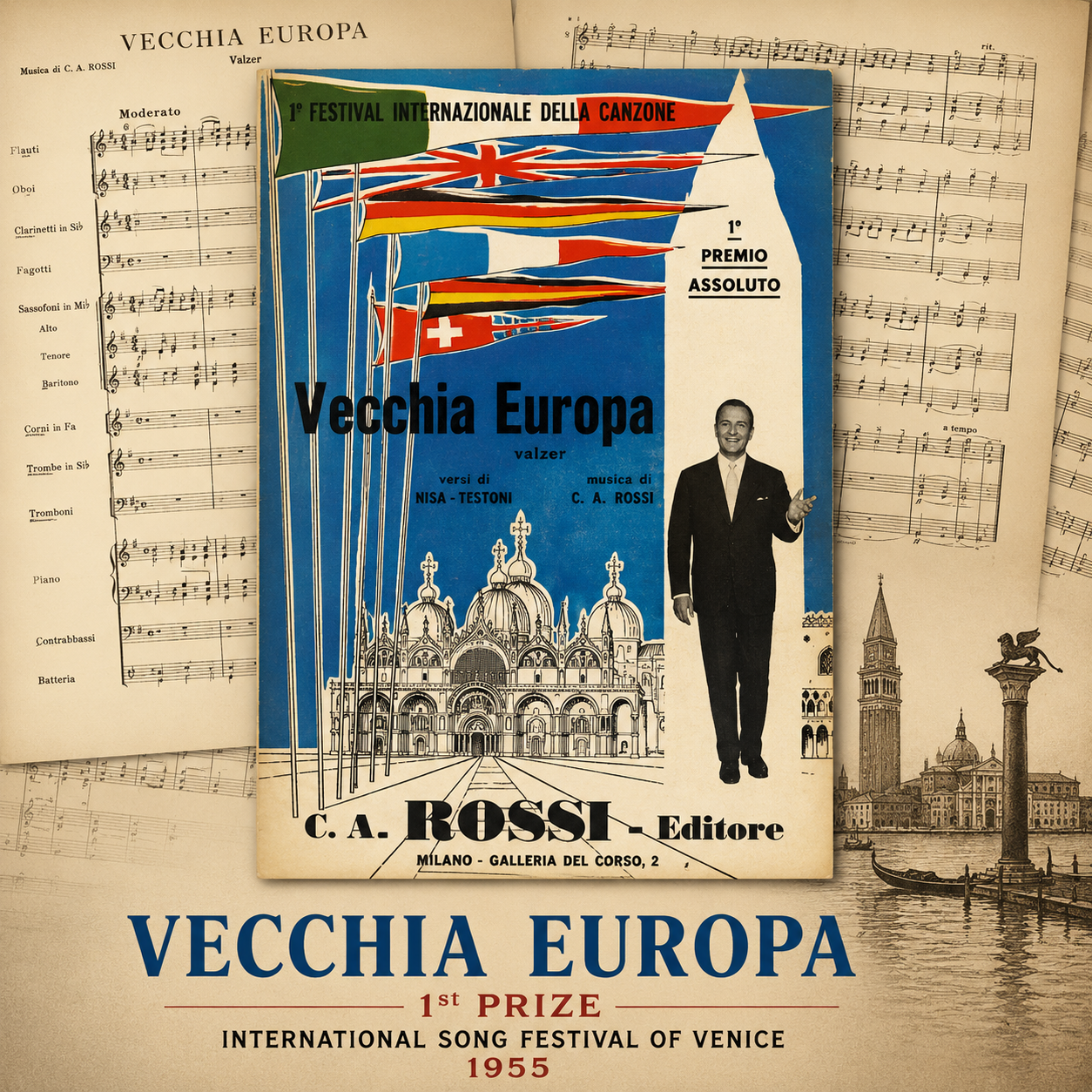
Vecchia Europa

Natalino Otto • 1955

Winner of the inaugural International Song Festival of Venice in 1955, Vecchia Europa became a musical tribute to a continent rediscovering hope and unity after the war.

Natalino Otto’s warm performance combines elegant orchestral writing with graceful phrasing, creating a romantic portrait of Europe that remains as evocative today as when it was first recorded.

Quando vien la sera

Joe Sentieri • 1960

Originally composed in 1957 and later presented at the Sanremo Music Festival, Quando vien la sera reflects Carlo Alberto Rossi’s fascination with blending traditional Italian melody and emerging Latin influences.

Joe Sentieri’s expressive voice moves effortlessly between romance and rhythm, illustrating why he became one of Italy’s most distinctive post-war performers.

Le mille bolle blu

Jenny Luna • 1961

Premiered at the 1961 Sanremo Music Festival, Le Mille Bolle Blu quickly became one of the defining Italian songs of the decade. Its elegant fusion of tango and cha-cha perfectly reflects the cosmopolitan sound that characterized early-1960s Italian popular music.

Jenny Luna’s bright, effortless performance combines sophistication with youthful charm, making the song one of the era’s most enduring classics.